
Is Moringa the Most Nutritious Food?

Does the so-called miracle tree live up to the hype?
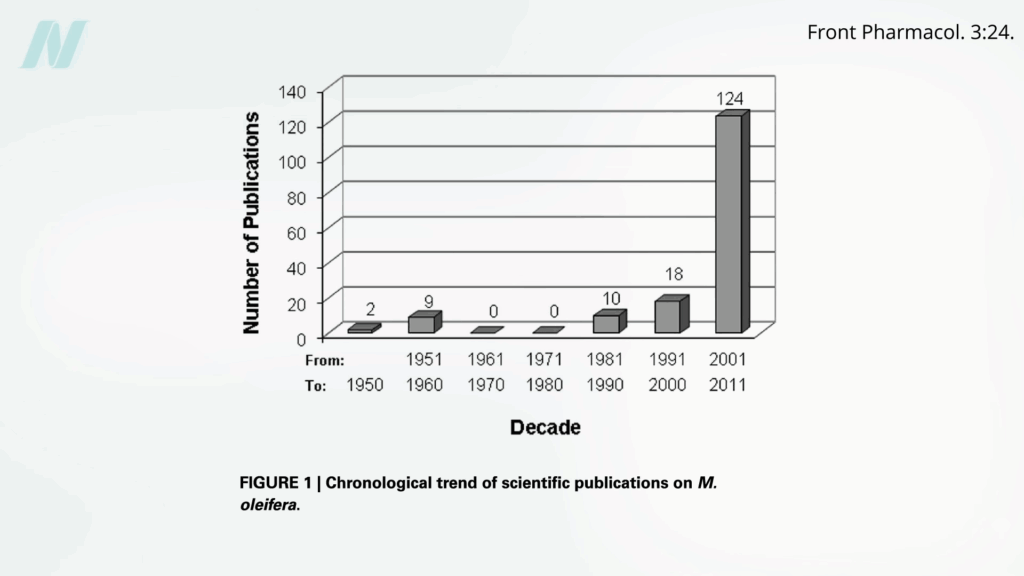
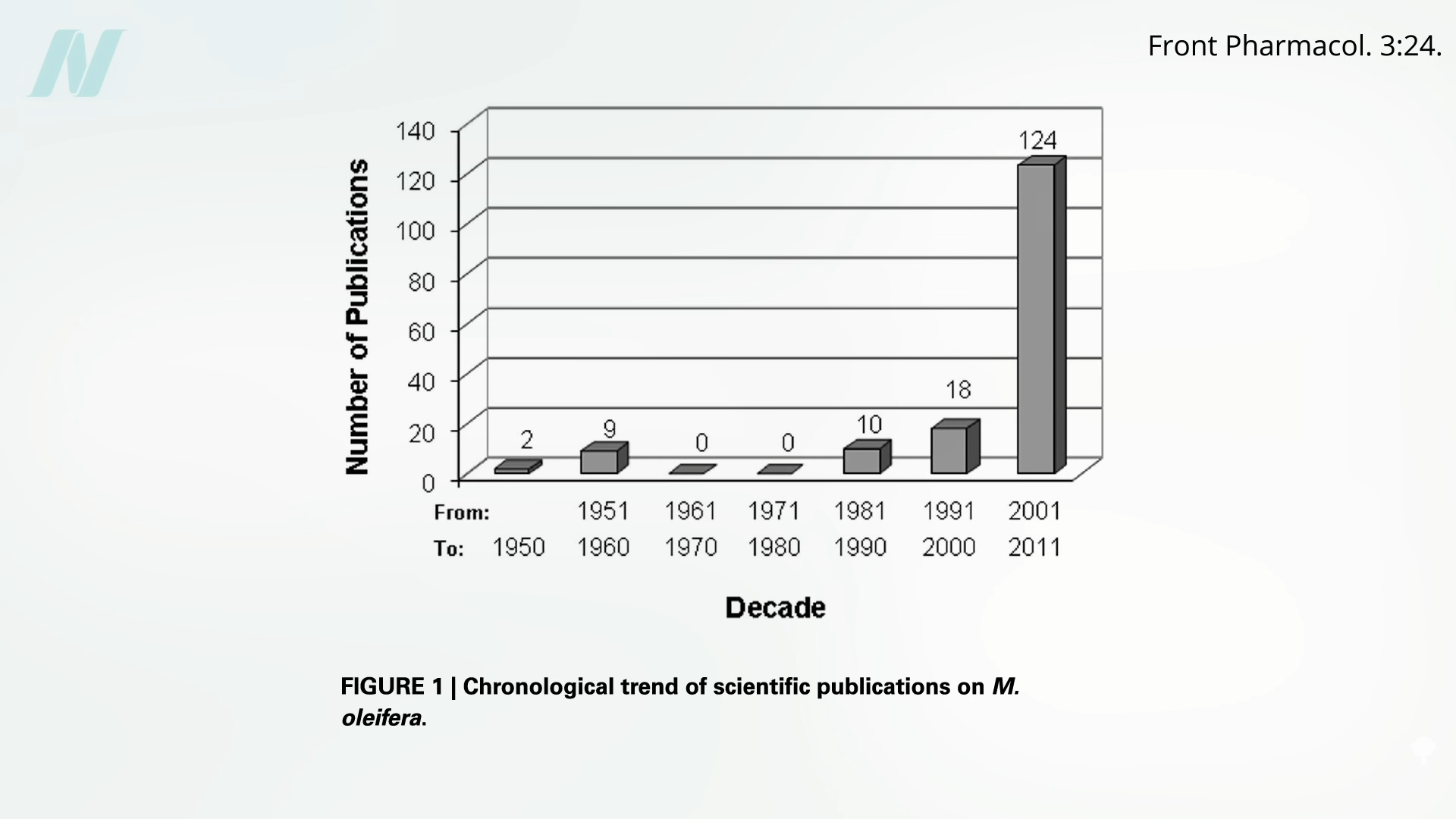
Moringa (Moringa oleifera) is a plant commonly known as the “miracle” tree due to its purported healing powers across a spectrum of diseases. If “miracle” isn’t hyperbolic enough for you, “on the Internet,” it’s also known as “God’s Gift to Man.” Is moringa a miracle or just a mirage? “The enthusiasm for the health benefits of M. oleifera is in dire contrast with the scarcity of strong experimental and clinical evidence supporting them. Fortunately, the chasm is slowly being filled.” There has been a surge in scientific publications on moringa. In just the last ten years, the number of articles is closer to a thousand, as shown here and at 1:02 in my video The Benefits of Moringa: Is It the Most Nutritious Food?.
 What got my attention was the presence of glucosinolates, compounds that boost our liver’s detoxifying enzymes. I thought they were only found in cruciferous vegetables, such as cabbage, broccoli, kale, collards, and cauliflower. Still, it turns out they’re also present in the moringa family, with a potency comparable to broccoli. But rather than mail-ordering exotic moringa powder, why not just eat broccoli?Is there something special about moringa?
“Moringa oleifera has been described as the most nutritious tree yet discovered,” but who eats trees? Moringa supposedly “contains higher amounts of elemental nutrients than most conventional vegetable sources,” such as featuring 10 times more vitamin A than carrots, 12 times more vitamin C than oranges, 17 times more calcium than milk, 15 times more potassium than bananas, 25 times more iron than spinach, and 9 times more protein than yogurt, as shown here and at 2:08 in my video.
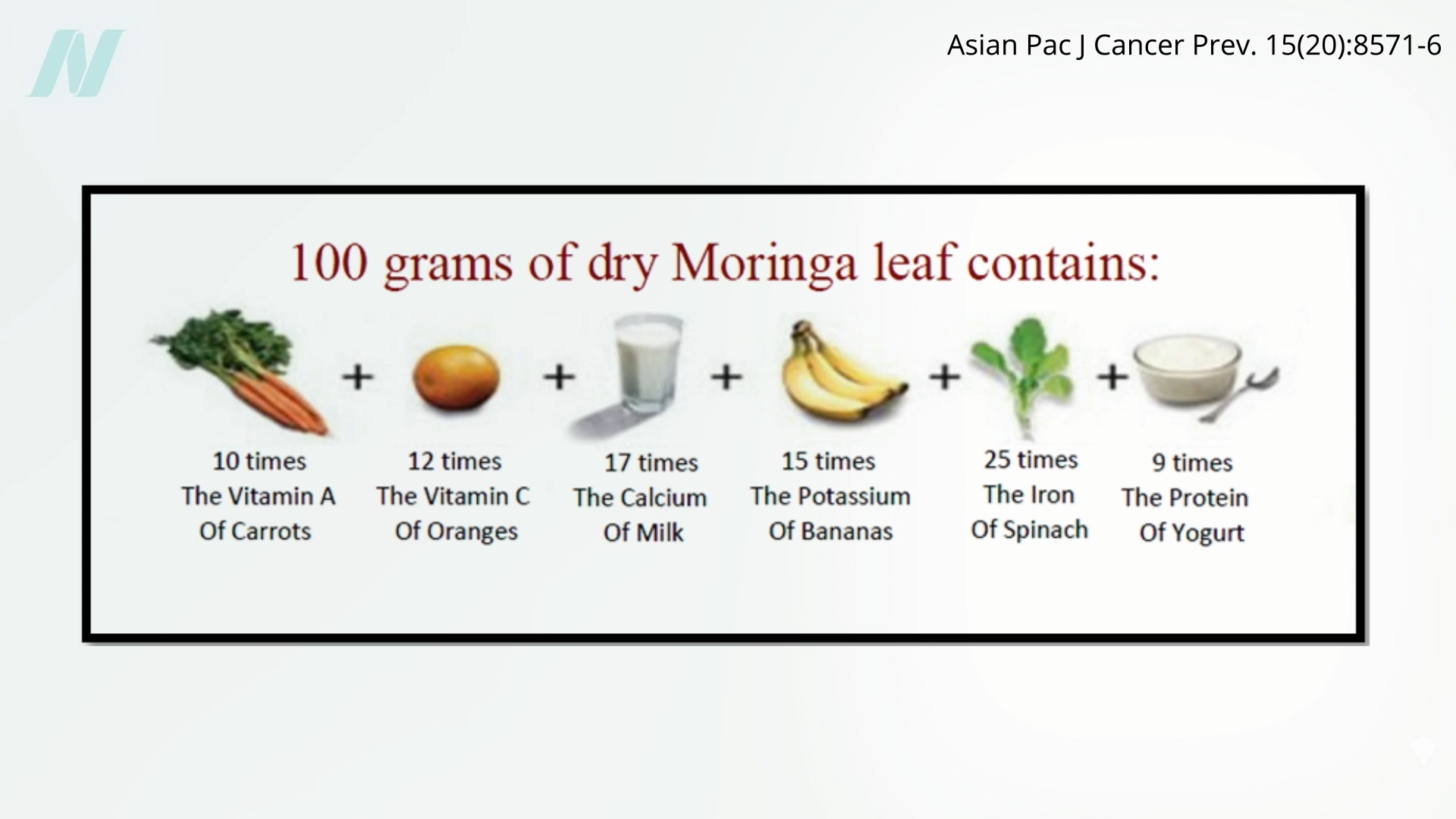 Sounds impressive, but first of all, even if this were true, it is relevant for 100 grams of dry moringa leaf, which is about 14 tablespoons, almost a whole cup of leaf powder. Researchers have had trouble getting people to eat even 20 grams, so anything more would likely “result in excessively unpleasant taste, due to the bitterness of the leaves.”
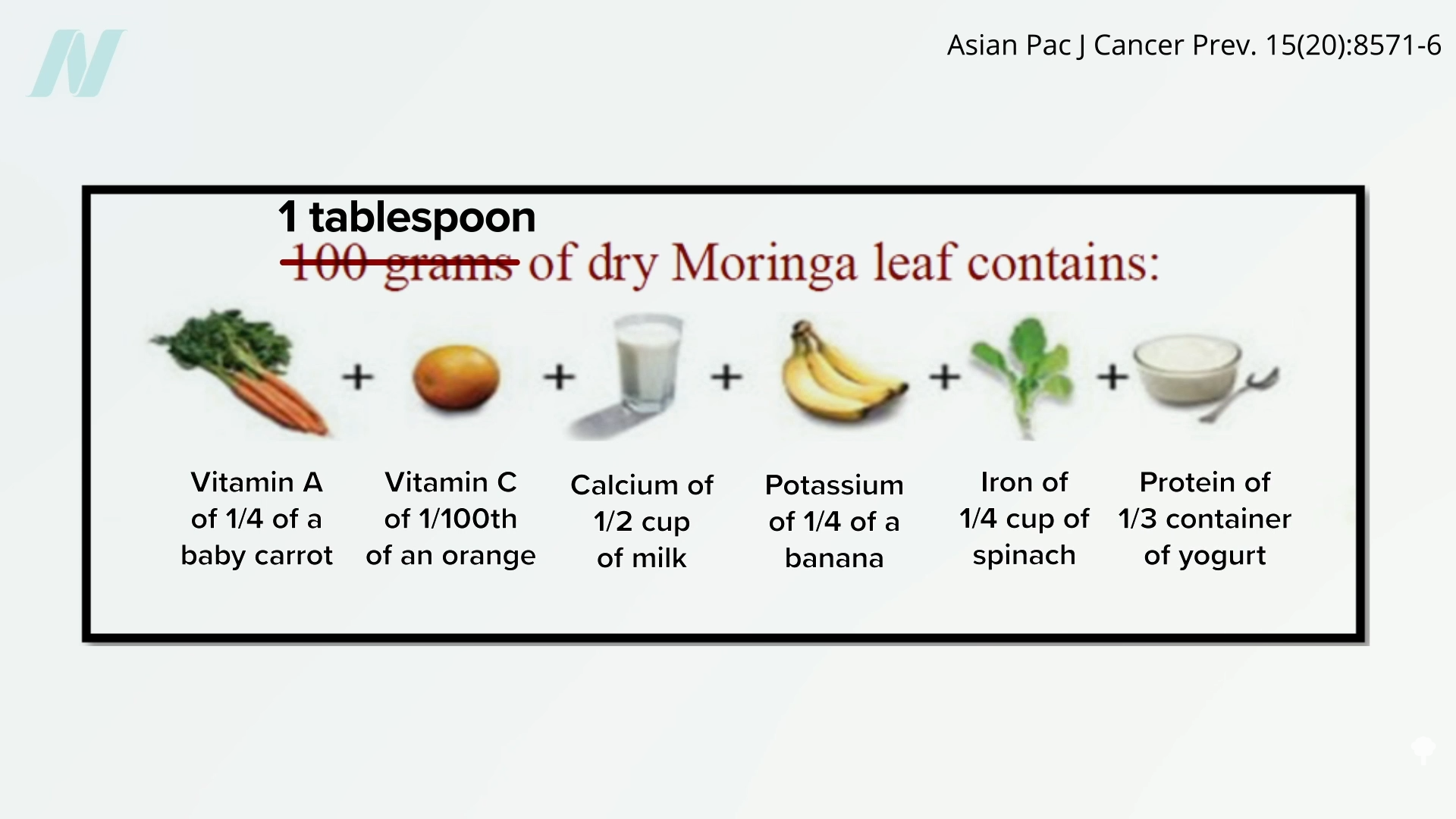
Secondly, the nutritional claims in these papers are “adapted from Fuglie,” which is evidently a lay publication. If you go to the nutrient database of the U.S. Department of Agriculture, and enter a more reasonable dose, such as the amount that might be in a smoothie, about a tablespoon, for instance, a serving of moringa powder has as much vitamin A as a quarter of one baby carrot and as much vitamin C as one one-hundredth of an orange. So, an orange has as much vitamin C as a hundred tablespoons of moringa. A serving of moringa powder has the calcium of half a cup of milk, the potassium of not fifteen bananas but a quarter of one banana, the iron of a quarter cup of spinach, and the protein of a third of a container of yogurt, as seen below and at 3:15 in my video. So, it may be nutritious, but not off the charts and certainly not what’s commonly touted. So, again, why not just eat broccoli?
 Moringa does seem to have anticancer activity—in a petri dish—against cell lines of breast cancer, lung cancer, skin cancer, and fibrosarcoma, while tending to leave normal cells relatively alone, but there haven’t been any clinical studies. What’s the point in finding out that “Moringa oleifera extract enhances sexual performance in stressed rats,” as one study was titled?
Studies like “Effect of supplementation of drumstick (Moringa oleifera) and amaranth (Amaranthus tricolor) leaves powder on antioxidant profile and oxidative status among postmenopausal women” started to make things a little interesting. When researchers were testing the effects of a tablespoon of moringa leaf powder once a day for three months on antioxidant status, they saw a drop in oxidative stress, as one might expect from eating any healthy plant food. However, they also saw a drop in fasting blood sugars from prediabetic levels exceeding 100 to more normal levels. Now, that’s interesting. Should we start recommending a daily tablespoon of moringa powder to people with diabetes, or was it just a fluke? I’ll discuss the study “Moringa oleifera and glycemic [blood sugar] control: A review of the current evidence” next.
----------------------------------------------------------------------------------------------------------------------------------------
The Elakkai aggregated blogs are intended to bring together a number of Cook, Diner, Grocery, Health and Nutrition contents from around the world in one place, exposing their content and experiences to as wide an audience as possible.
All the news/posts displayed on our blog are the property of their respective authors/news sites, and each one has a link back to its original source. In fact we only display an excerpt of the content to give the reader a taste of what that blog and post have to offer.
We are not here to steal anyone’s content or ideas, so if any content providers featured on this website decide that they don’t want their latest posts to be featured on this site they can get in touch with us here.
The primary aim of content aggregation is to gather and share quality web content that would have been difficult to find. Most of the publications cannot compete with search engines. Content aggregators find the publication's information and put it in a place that readers can access it. This ensures that consumers find the information that they actually need in one place rather than many irrelevant results from a search engine.
-------------------------------------------------------------------------------------------------------------------------------------
https://nutritionfacts.org/blog/is-moringa-the-most-nutritious-food/